With the primary objective of providing Islamic education and promoting the teaching of Urdu and Arabic, the Muslim community of Rarawai and neighbouring villages embarked on a shared vision to establish a Muslim school. Following extensive consultations and discussions within the community, the founding members courageously accepted the challenge of turning this vision into reality, laying the foundation for an institution that would serve future generations.
Land was donated by Marhoom Din Mohammed, Marhoom Bandho Miya and Late Mr. Narain.
Approval was granted by the Ministry of Education in November 1961 for the construction of the school. The founders were entrusted with the formidable task of completing the project in time for the commencement of the new school year in January, failing which the approval could be forfeited. Despite the limited timeframe, they remained steadfast in their vision and commitment.
Funds were raised through generous donations from members of the community, while an agreement was also reached with the Fiji Sugar Corporation (FSC) to facilitate contributions through deductions from cane proceeds. The construction contract was awarded to Mr. Jaggu Mistry, whose work helped turn the community’s long-held dream into a reality.
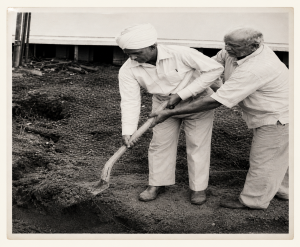
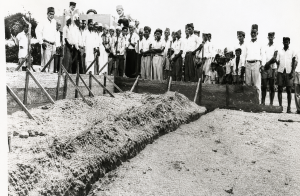
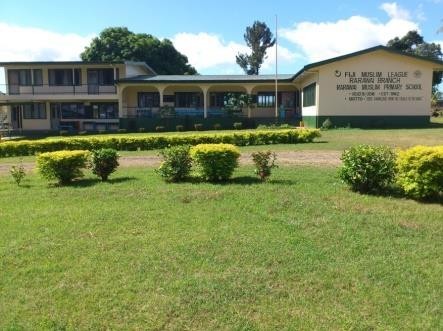
The school “Rarawai Muslim Primary School” opened with Mr. Mohammed Ali as the first Head Teacher, assisted by Mr. Jamaal Khan and Mr. Krishna Prasad
The Rarawai Branch was officially formed during the Council Meeting
As student enrolment and educational needs continued to grow, the school embarked on a period of significant development. In 1965, a 1½-acre sugarcane farm was purchased for $500 to support the school’s future growth and sustainability. During the same year, new teachers’ quarters were constructed to accommodate staff serving the institution.
A major setback occurred in 1972 when the teachers’ quarters were destroyed by fire. Undeterred, the community remained committed to the school’s progress. In 1977, two new concrete classrooms were constructed, providing improved learning facilities for students. Continued expansion followed in 1982 with the construction of a new classroom block, further strengthening the school’s capacity to serve the educational needs of the community.
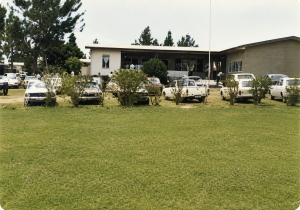
In 1985, the school acquired an additional five-acre sugarcane farm for $25,000, further strengthening its long-term sustainability and development prospects. During the same year, the school faced one of the greatest challenges in its history when Cyclones Eric and Nigel devastated the entire school, leaving its buildings severely damaged.
Despite this setback, the determination of the community remained unwavering. Temporary tents provided by the Army were erected, allowing classes to continue while recovery efforts were underway. Extensive maintenance and rebuilding works followed, culminating in the construction of a new double-storey classroom block. This landmark facility was officially opened by the Minister for Communications, Mr. Apisai Tora.
As part of the redevelopment program, a new water tank and modern toilet block were also constructed, significantly improving the school’s infrastructure and learning environment for students and staff alike.
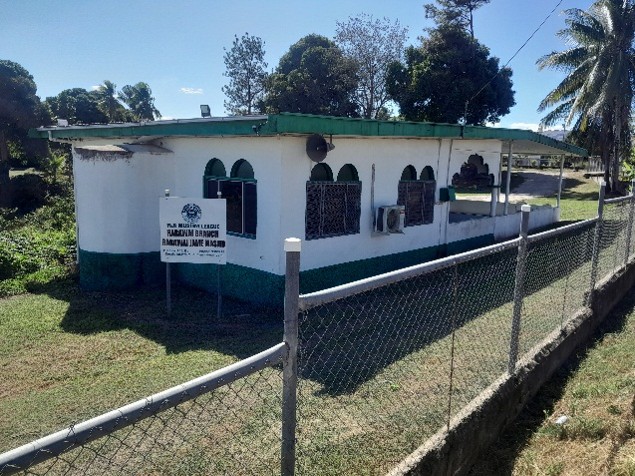
In 1989, the Rarawai Markaz was established to serve as a centre for Islamic learning, religious activities, and community gatherings. Over the years, it became an important focal point for the spiritual and social development of the Muslim community in Rarawai and the surrounding areas.
Recognising the growing needs of the community, the Markaz was officially converted into the Rarawai Masjid in 2013. This milestone strengthened its role as a dedicated house of worship and community engagement, providing a permanent venue for daily prayers, religious education, and Islamic programmes for future generations.
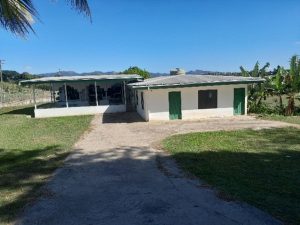
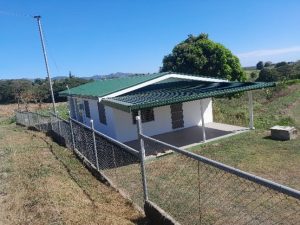
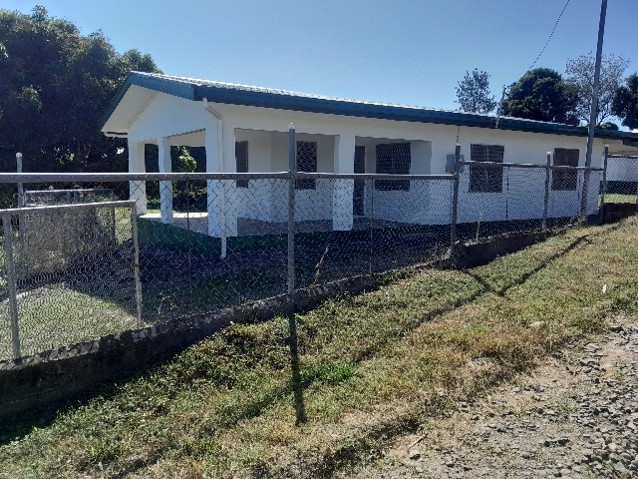
In 2024, new Pesh Imam Quarters were constructed to provide comfortable and dedicated accommodation for the resident Imam. This development reflected the Branch’s ongoing commitment to supporting religious leadership and enhancing the facilities that serve the spiritual needs of the community. The new quarters stand as another important milestone in the continued growth and development of Rarawai Masjid and its services to the Muslim community.